18 de November de 2026
European Citizen Science leaves its mark on the future of citizen science
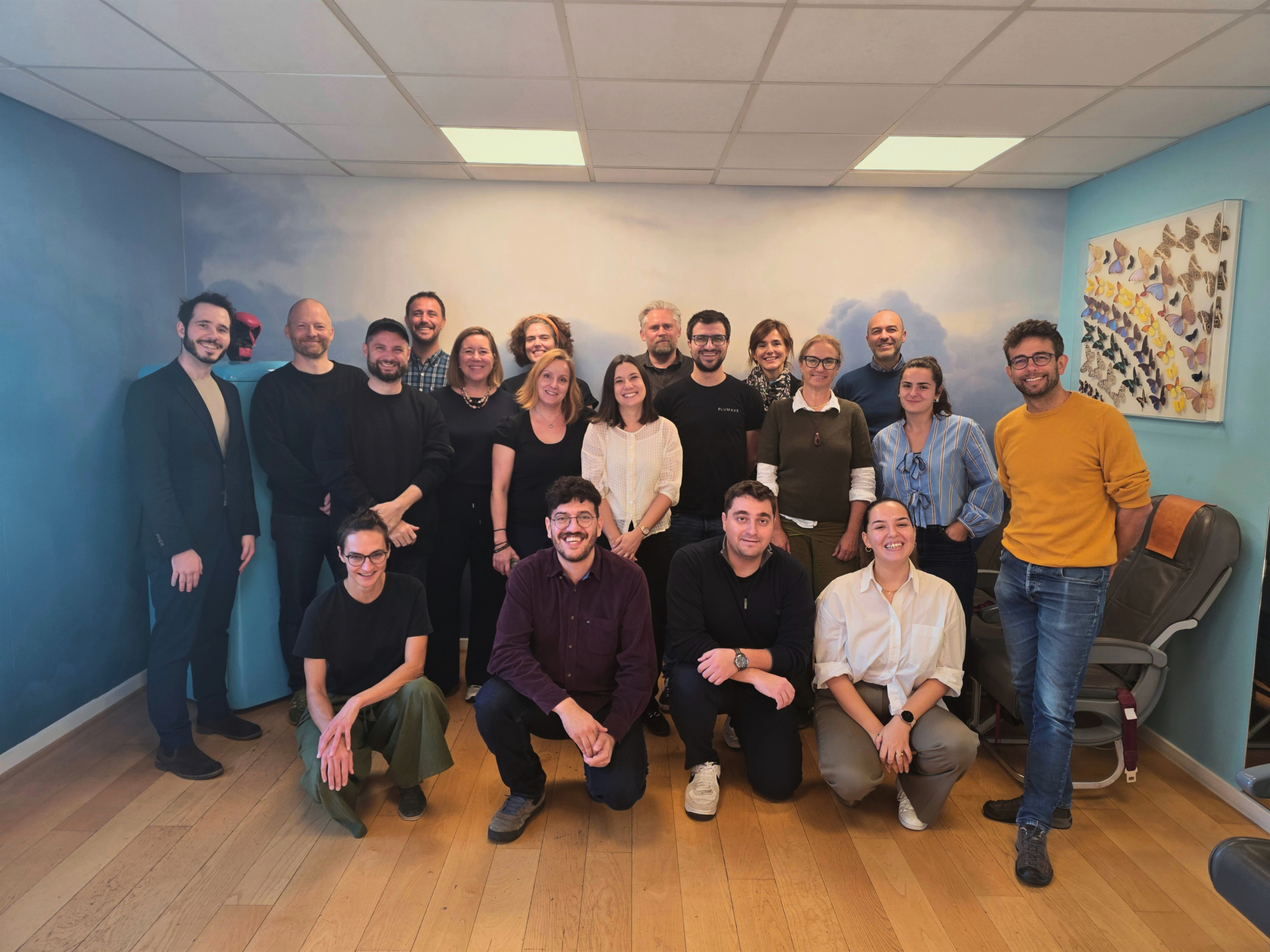
After four years of work, the European European Citizen Science (ECS) project comes to an end with more than 3,500 participants and a shared goal: to strengthen the presence and impact of citizen science in research and society. Science For Change (SFC) has played a key role, leading efforts to promote more inclusive and diverse participation and exploring new opportunities for collaboration with the private sector.
Four years of strengthening citizen science in Europe
Running from 2022 to 2026, ECS has brought together 21 partners and affiliated entities from 15 European countries to promote citizen science and facilitate its integration into research, education, institutions and public policy.
Throughout the project, more than 3,500 people have participated in activities organised by the consortium, initiatives led by affiliated entities and activities involving public libraries. However, ECS’s contribution goes beyond these figures: it has connected communities and national networks, created learning spaces, developed open resources and strengthened the capacities of researchers and professionals.
With its completion in July 2026, ECS leaves behind a more connected European citizen science ecosystem, better equipped to continue growing, thanks to the partnerships, knowledge and resources generated over these years.
Opening science to new voices and perspectives
One of Science For Change’s main contributions has been leading Work Package 5 (WP5), focused on inclusion and diversity in citizen science.
At SFC, we have worked to address a fundamental question: who participates in citizen science projects, and what can we do to ensure that more people have a voice in them?
Building on this reflection, we have developed 18 recommendations for embedding inclusion from the project design stage, taking into account the needs, motivations and conditions for participation of the people involved. One of the key conclusions is that bringing together people from diverse backgrounds is not enough: we must listen to them from the outset and ensure that their participation is meaningful.
As Òscar Larraga, Project Manager and social anthropologist at Science For Change, explains:

ECS has demonstrated that inclusion cannot be performative. If we want to develop inclusive projects, we must start by listening to people before initiating any process, understanding what they need, and designing and implementing projects with them in mind. Inclusion for the sake of inclusion leads nowhere.
Òscar Larraga
Beyond our work on inclusion, we have also explored how to bring citizen science closer to the private sector, collaborating with small and medium-sized enterprises (SMEs) to identify opportunities that generate benefits for society. This experience has highlighted that there is no one-size-fits-all approach to connecting citizen science with the business world. Instead, collaborations must be adapted to the needs, motivations and capacities of each sector and organisation.
With the aim of expanding the reach of citizen science and facilitating its adoption in new contexts, we have participated in the co-creation of the ECS Academy, helping to make knowledge, tools and resources accessible to people from different backgrounds, disciplines and environments.
This effort to expand citizen science has also extended into the field of public policy, where we have led participatory processes to develop recommendations aimed at strengthening institutional support for citizen science. One of the outcomes is the document Policy Recommendations for an Increased Support of Citizen Science in Spain, which brings together contributions from more than 30 stakeholders within the Spanish citizen science ecosystem and puts forward proposals in areas such as academic recognition, training, data infrastructures and incentives.
Finally, we have also contributed to deepening our understanding of the impact of citizen science through Beyond Participation: Citizen Science, Policy Impact and Economic Value, ECS’s second book of impact stories. The publication brings together case studies demonstrating how citizen participation can extend beyond research projects and help transform public policies, organisations and ways of working, while creating new opportunities to generate social and economic value.
A starting point for continuing to transform science
The end of ECS does not mark the end of the work it set in motion. The resources, partnerships and lessons learned over these four years provide a foundation for continuing to expand the reach of citizen science across Europe.
One of the project’s main legacies is its contribution to the transition from individual initiatives towards a more structured ecosystem, with communities, tools, capacities and support mechanisms that enable citizen participation to be integrated into new contexts.
For Science For Change, this experience reinforces the importance of designing research with people, rather than just for them. The knowledge gained on inclusion, collaboration with businesses and public policy impact opens up new opportunities to continue developing participatory projects that address real needs and generate change beyond research.
ECS brings one chapter to a close, but opens up new pathways towards a more inclusive, participatory science that is better connected to society.
Would you like to incorporate citizen science into your projects and explore new opportunities for collaboration? At Science For Change, we help you design participatory, inclusive initiatives tailored to your needs. Get in touch with us at hello@scienceforchange.eu and discover how we can help!
By Òscar Larraga - Specialist in Social and Cultural Anthropology → More information
Compartir en