

Sustainability
Taking care of our environment and moving towards a more sustainable future requires understanding the challenges, listening to people and working together to find solutions.
At Science For Change, we combine science, technology and citizen participation to better understand environmental challenges and provide valuable insights to support decision-making. We take a holistic approach to sustainability, considering the environment, people and the unique characteristics of each territory.
How do we approach sustainability at Science For Change?
Sustainability goes far beyond protecting the environment. It also means considering people's well-being, the responsible use of resources and how organisations make decisions.
Integrating ESG criteria (environmental, social, economic and governance) helps organisations manage their resources more effectively, anticipate potential risks and strengthen their commitment to society. It also supports their adaptation to European sustainability regulations, such as the Corporate Sustainability Reporting Directive (CSRD), which applies to certain companies.
At Science For Change, we combine scientific knowledge, technology and citizen participation to help organisations better understand their impacts, listen to people's needs and make more responsible and sustainable decisions.

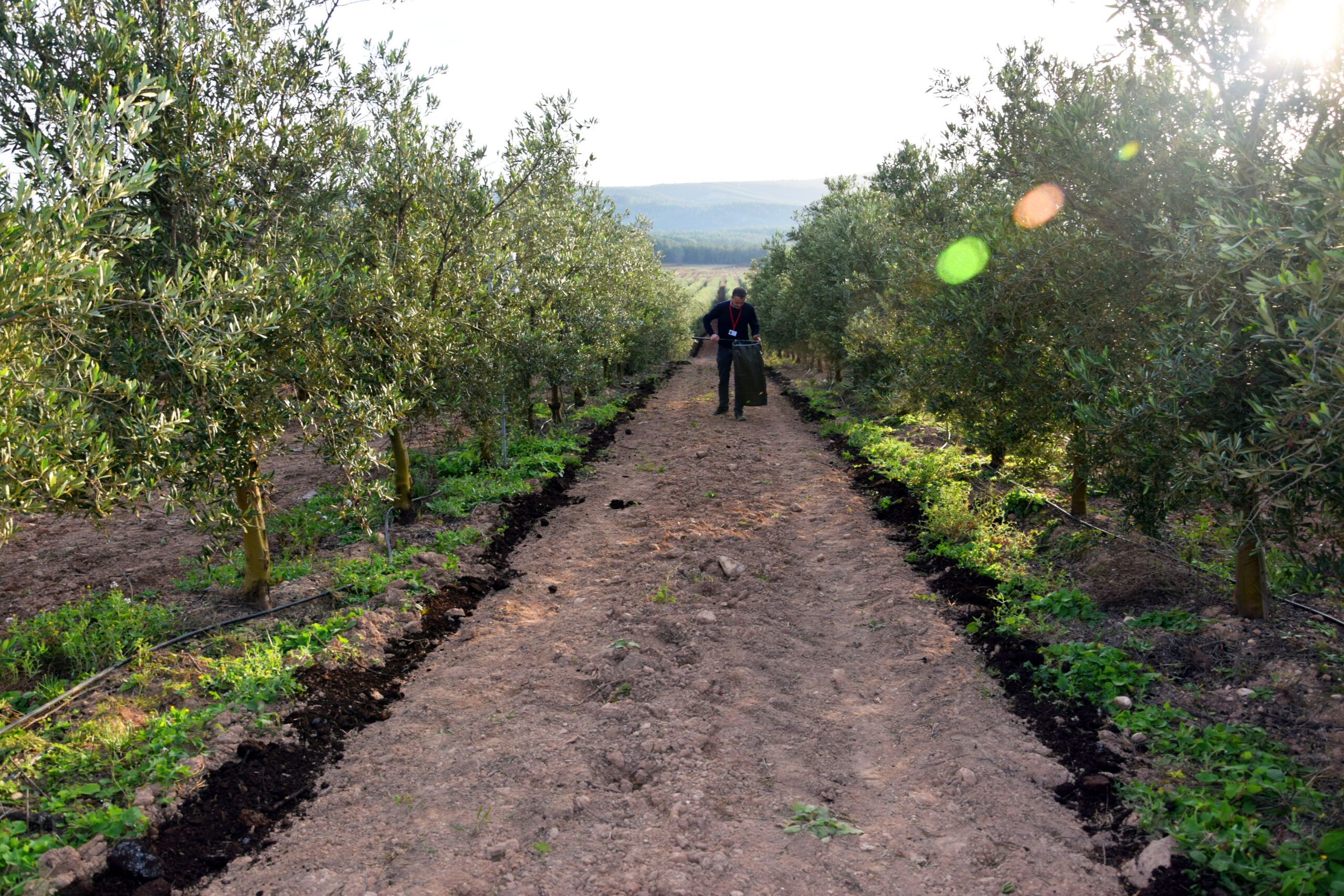
What areas do we have experience in?
Sustainability is present in many aspects of our daily lives, from the air we breathe to how we use resources and adapt to climate change
At Science For Change, we have worked across different areas, applying our expertise to the challenges and needs of diverse territories.
Environmental and Territorial Monitoring
Understanding our environment is the first step towards improving it.
Did you know that citizens' observations can help us better understand environmental pollution? We combine technology, data analysis and citizen participation to study factors such as odours, noise and air quality, generating valuable information to support decision-making.
Some projects we have been involved in:
D-NOSES
Local residents record odour episodes to study odour pollution in their surroundings.
View D-NOSES
SoundCollect
Citizens help identify quiet areas and characterise their acoustic environment.
View SoundCollect
Resource Management and Circular Economy
Making better use of resources to reduce our environmental impact.
Many of the materials we discard can have a second life. We work on initiatives related to waste prevention and management, the circular economy and sustainable water use, exploring new ways to make better use of resources and move towards more responsible production and consumption models.
Some projects we have been involved in:


Ecological Transition and Climate Action
Adapting to change and moving towards a more sustainable future.
Climate change and the transformation of our territories bring new challenges. From biodiversity protection and sustainable food systems to mobility, housing and urban planning, we explore new ways to reduce our environmental impact and adapt to the needs of each environment.
Some projects we have been involved in:


Throughout our journey, we have collaborated with public and private organisations at local, national and international levels, addressing sustainability challenges across different sectors and territories.
ÁMBITO / 01
Monitorización ambiental y territorial
Conocer nuestro entorno es el primer paso para mejorarlo.
¿Sabías que las observaciones de la ciudadanía pueden ayudarnos a entender mejor la contaminación ambiental? Combinamos tecnología, análisis de datos y participación ciudadana para estudiar factores como los olores, el ruido o la calidad del aire, y generar información útil para tomar decisiones.
Algunos proyectos en los que hemos participado:
D-NOSES
Los vecinos registran episodios de olor para estudiar la contaminación odorífera de su entorno.
Ver D-NOSES
OdourCollect
Una aplicación recoge las percepciones de olor de quienes viven en el territorio.
Ver OdourCollect SoundCollect
La ciudadanía ayuda a localizar zonas tranquilas y a caracterizar su ambiente acústico.
Ver SoundCollect
AMUSENS
Sensores de gas para monitorizar contaminantes en el entorno y en espacios de trabajo.
Ver AMUSENS