17 de November de 2026
New Pathways Towards More Circular Packaging with AgriBioPack
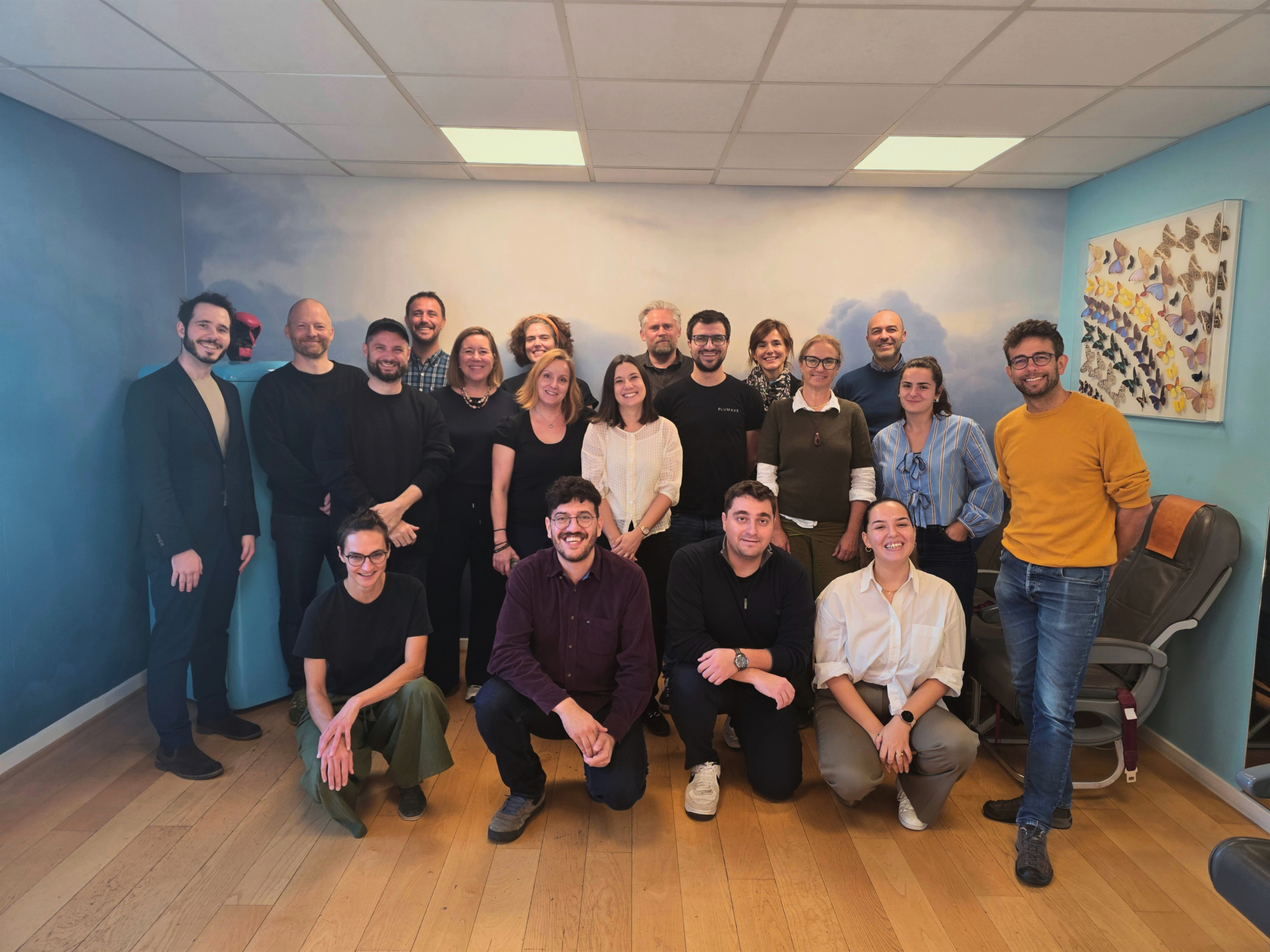
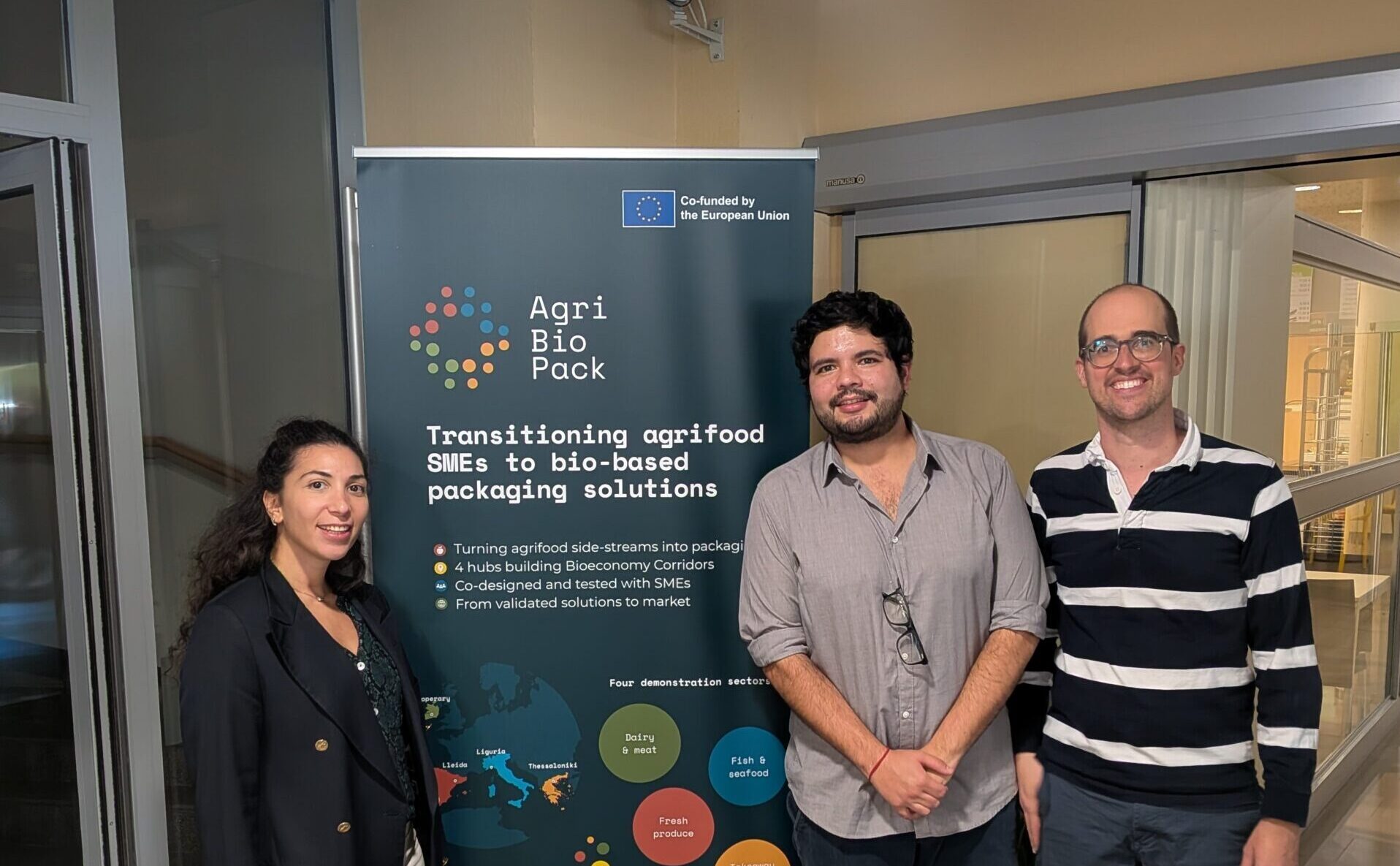
On 12 and 13 November 2026, the European project AgriBioPack officially kicked off at Parc AgriBioTech in Lleida with its Kick-off Meeting and a conference dedicated to accelerating the transition towards more sustainable bio-based agrifood packaging.
The European agrifood sector faces the challenge of reducing its dependence on fossil-based plastics and moving towards more sustainable packaging alternatives. Against this backdrop, AgriBioPack was launched as a European project aimed at facilitating the adoption of bio-based packaging among small and medium-sized enterprises (SMEs) in the agrifood sector by overcoming the technical, regulatory and economic barriers that hinder this transition.
Coordinated by Naked Innovations, the project brings together 16 organisations from eight European countries that will work collaboratively to connect technological innovation with locally available resources and the real needs of businesses. AgriBioPack will focus on four agrifood value chains: dairy and meat products, fresh fruit and vegetables, fish and seafood, and takeaway and food delivery.
One of the project’s key elements is the establishment of four Local Transformation Hubs in Ireland, Spain, Italy and Greece, which will serve as collaborative spaces bringing together businesses, researchers, technology providers and other relevant stakeholders. These hubs will drive the development of Bioeconomy Corridors, value chains that connect local biological resources and agrifood by-products with concrete opportunities to develop new sustainable packaging solutions.
Science For Change Leads Territorial Innovation
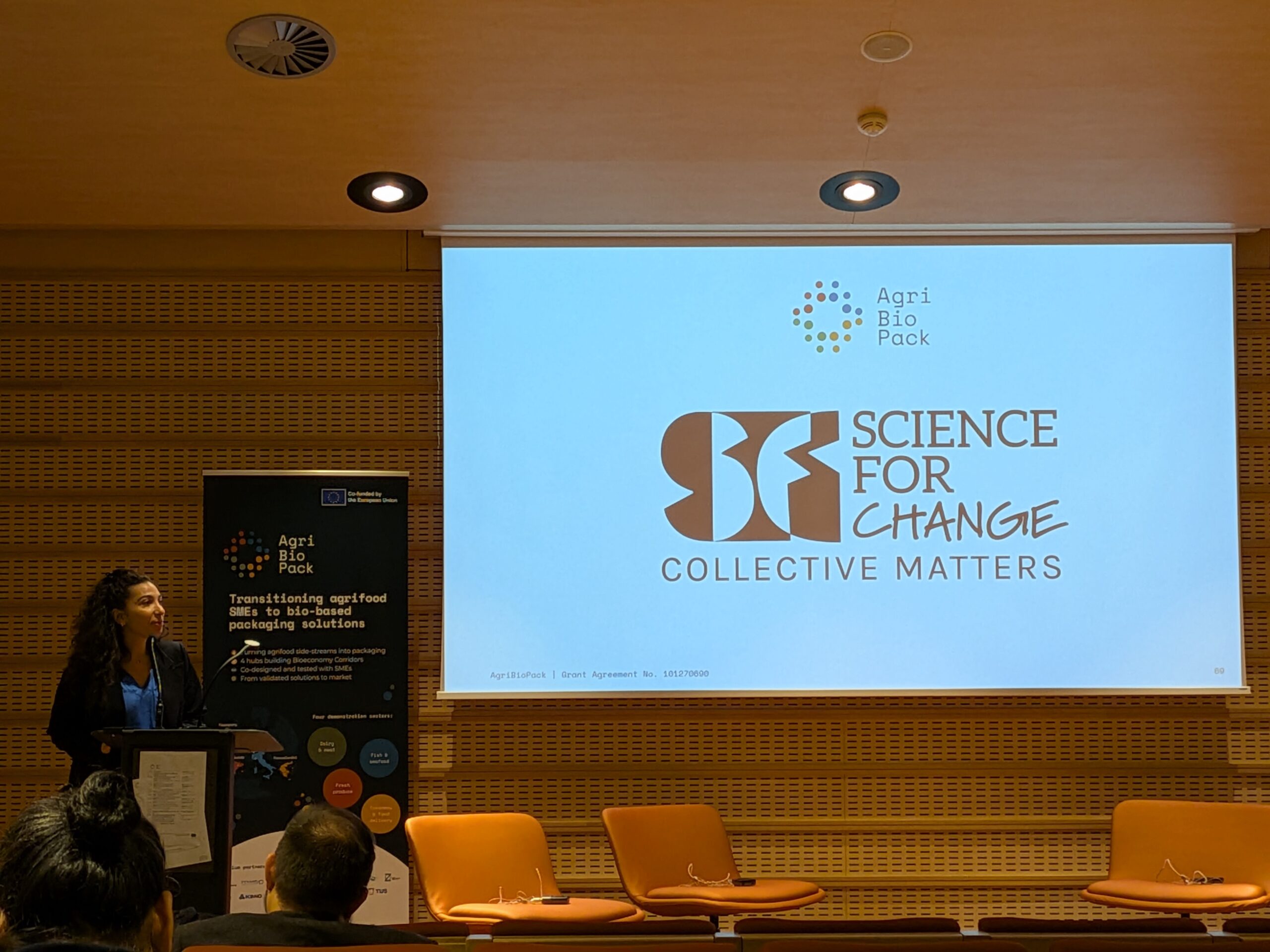
Science For Change (SFC) plays a key role in AgriBioPack as the leader of Work Package 2 (WP2), which focuses on territorial diagnosis, the establishment of Local Transformation Hubs and the development of Bioeconomy Corridors.
Through this leadership role, SFC will analyse the characteristics and needs of the different territories, fostering collaboration between businesses, researchers and other key stakeholders to identify opportunities for developing new circular value chains. This work will lay the foundations for the Local Transformation Hubs and promote the partnerships needed to bring innovative solutions into industrial applications.
Beyond WP2, Science For Change also contributes to WP5, dedicated to the AgriBioPack Academy, stakeholder engagement and capacity building, helping SMEs and other stakeholders gain the knowledge and tools needed to adopt these new solutions.
In addition, the team participates in WP8, which focuses on public policies, impact, communication and dissemination, exploitation of results and the project’s legacy, helping to share AgriBioPack’s knowledge and outcomes with relevant stakeholders and support its long-term impact.
Through these contributions, SFC places collaboration, participation and territorial knowledge at the heart of the project, helping to turn innovation into viable solutions tailored to business needs and capable of generating environmental, economic and social value.
Two Days of Collaboration and Innovation
On 12 November 2026, the project’s Kick-off Meeting took place at Parc AgriBioTech in Lleida, bringing together consortium partners to share AgriBioPack’s main objectives, priorities and next steps. Through interactive sessions, discussions and collaborative activities, participants aligned their perspectives and laid the foundations for the joint work that will take place throughout the project.
The following day, 13 November, the AgriBioPack Kick-off Conference took place under the title “Building Bioeconomy Corridors for Bio-Based Agrifood Packaging”. Unlike the first day, which focused on internal consortium coordination, the conference brought together a broader range of stakeholders, including representatives from agrifood and packaging companies, researchers, technology providers, public and regional organisations, and other actors from the European bioeconomy ecosystem.
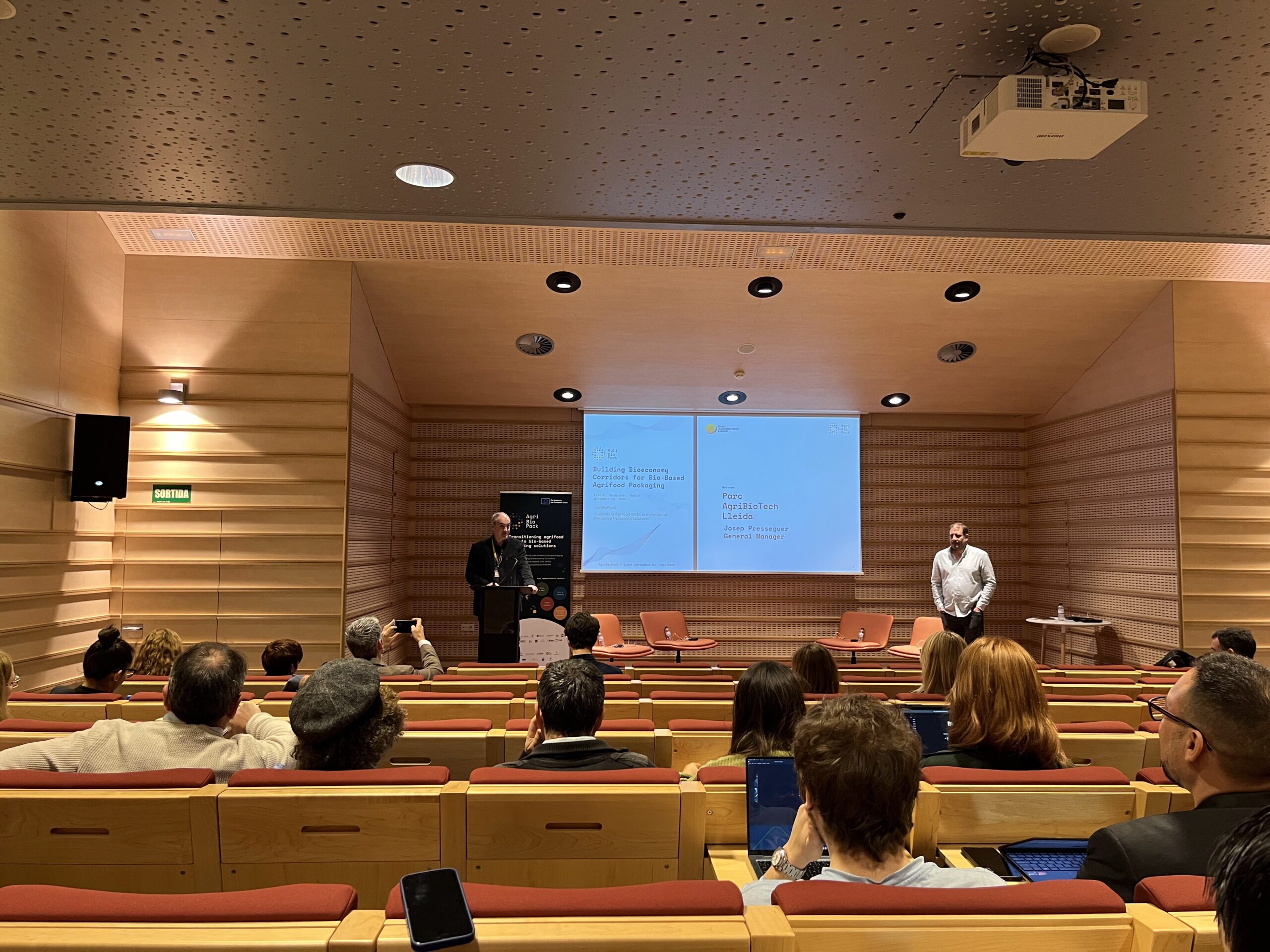
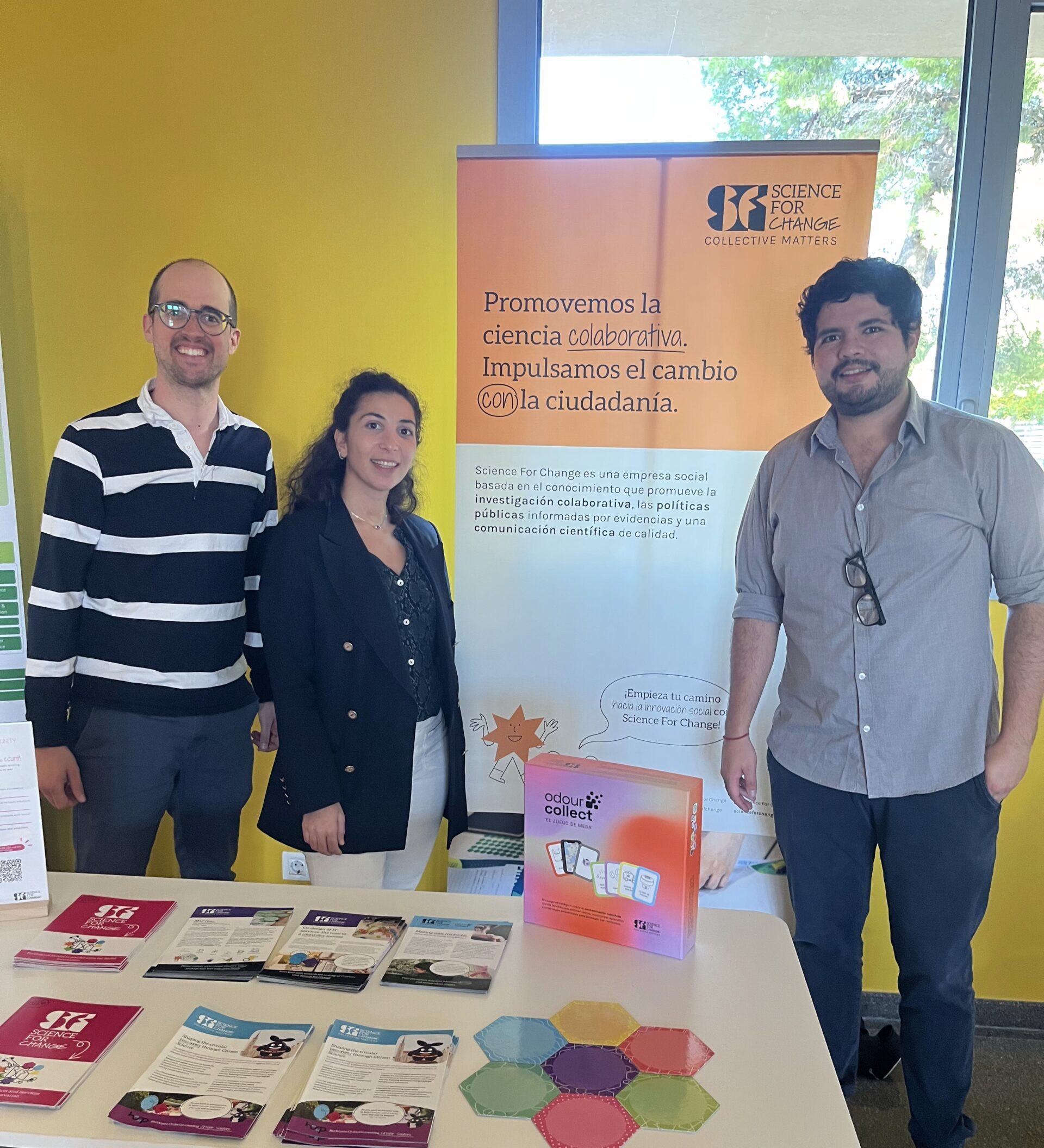
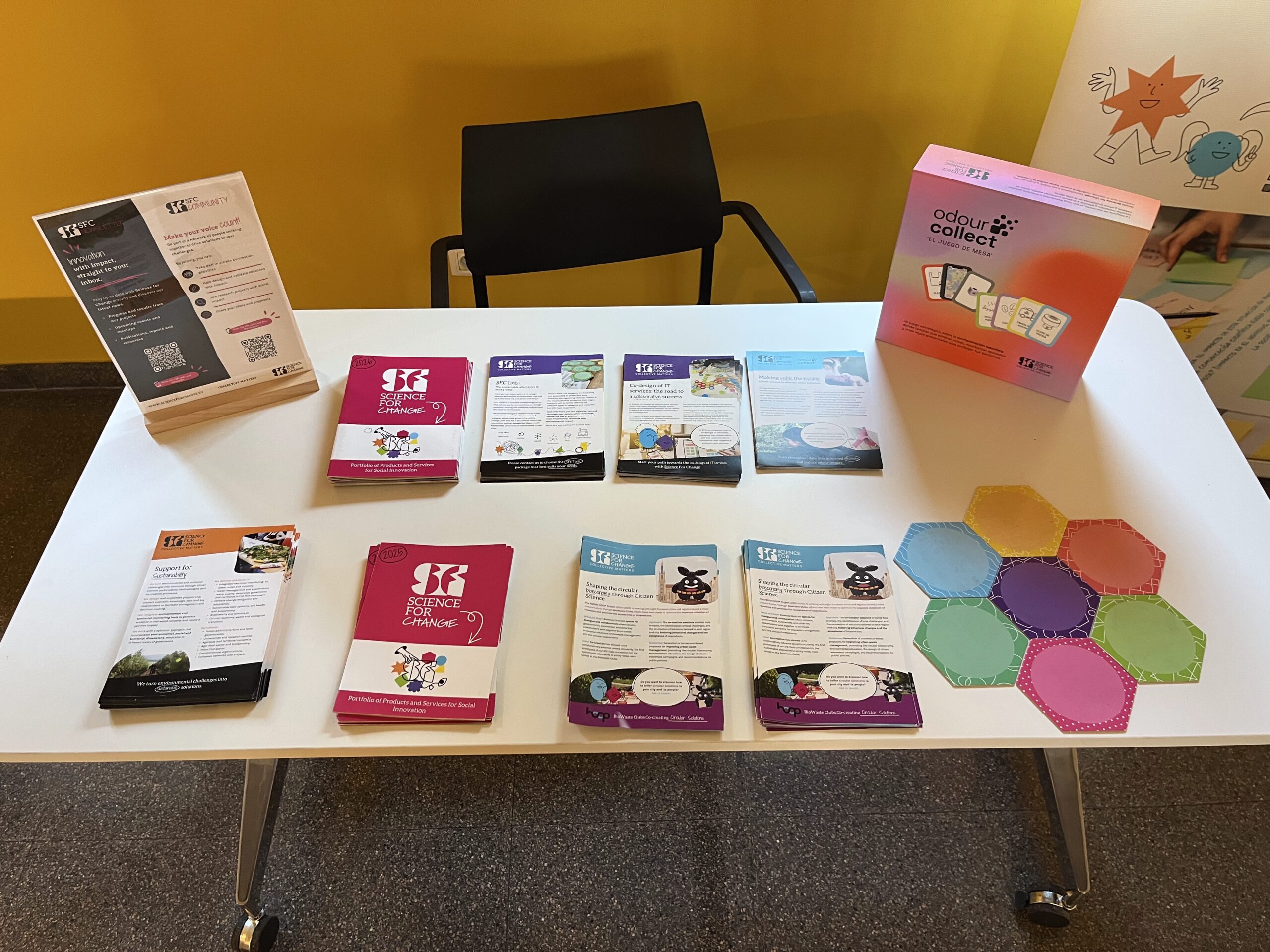
The event combined strategic discussions with practical and participatory activities. Through parallel sessions dedicated to the project’s four agrifood sectors, participants shared challenges, opportunities and potential avenues for collaboration. The conference also hosted the European Bioeconomy Solutions Marketplace, a space dedicated to showcasing innovative bio-based packaging materials, technologies, prototypes and solutions.
One of the highlights was the Innovation Camp: Build a Bioeconomy Corridor, a participatory activity in which attendees worked in small groups to explore how to connect a biological resource, a potential processing pathway and a specific packaging need. The exercise helped identify the resources, capabilities and partnerships required to build viable value chains, generating insights that will help guide the project’s next phases.
The conference concluded with a collective reflection on the outcomes of the activities, the main challenges identified and AgriBioPack’s next steps.
Together, the two days marked the starting point of an initiative that aims to connect research, industry and territories to move towards a more circular, resilient and sustainable agrifood packaging model.
Would you like to drive innovative projects that connect sustainability, businesses and local communities? At Science For Change, we foster collaboration and participation to develop solutions tailored to the real needs of each sector. Get in touch with us and let’s explore how we can work together!
By Sarah Nousseir – Governance and Sustainability Project Manager
→ More informationCompartir en