19 de August de 2026
The language of smell in culture, science, and marketing
How do we communicate what we cannot show?
We all know the scene. Someone asks, “What does it smell like?” and, after a few seconds of intense nasal investigation, we reply, “Well… nice?” Our sense of smell has already recognised, assessed, and catalogued the aroma. Language, meanwhile, is still searching for the switch. To get ourselves out of trouble, we refer to its possible source—coffee, wet earth—to a quality—sweet, fresh—or directly to a memory: “It smells like my grandmother’s house.” Perhaps not chemically precise, but an entire biography nonetheless.
However, this difficulty in naming smells is not universal. Researchers such as Majid and Kruspe observed that the Semaq Beri hunter-gatherers could name them as easily as colours, unlike other communities studied [1]. The nose, therefore, does not work alone: culture, lifestyle, and practice also shape how we perceive and describe the olfactory world.
This is where smell ceases to be a mere sensation and becomes a time machine. An aroma can transport us to a particular summer or a doctor’s office before we even understand what has happened. Researchers such as Herz and Engen point out that olfactory memory has distinctive characteristics, although the evidence does not support considering it an independent system [2]. Nor does it come with memories built in from the factory: vanilla may evoke a birthday party, an unbearable air freshener, or absolutely nothing. The nose detects the molecules, culture gives them names, and our personal history writes the script.

Sensory marketing: The environment sells too
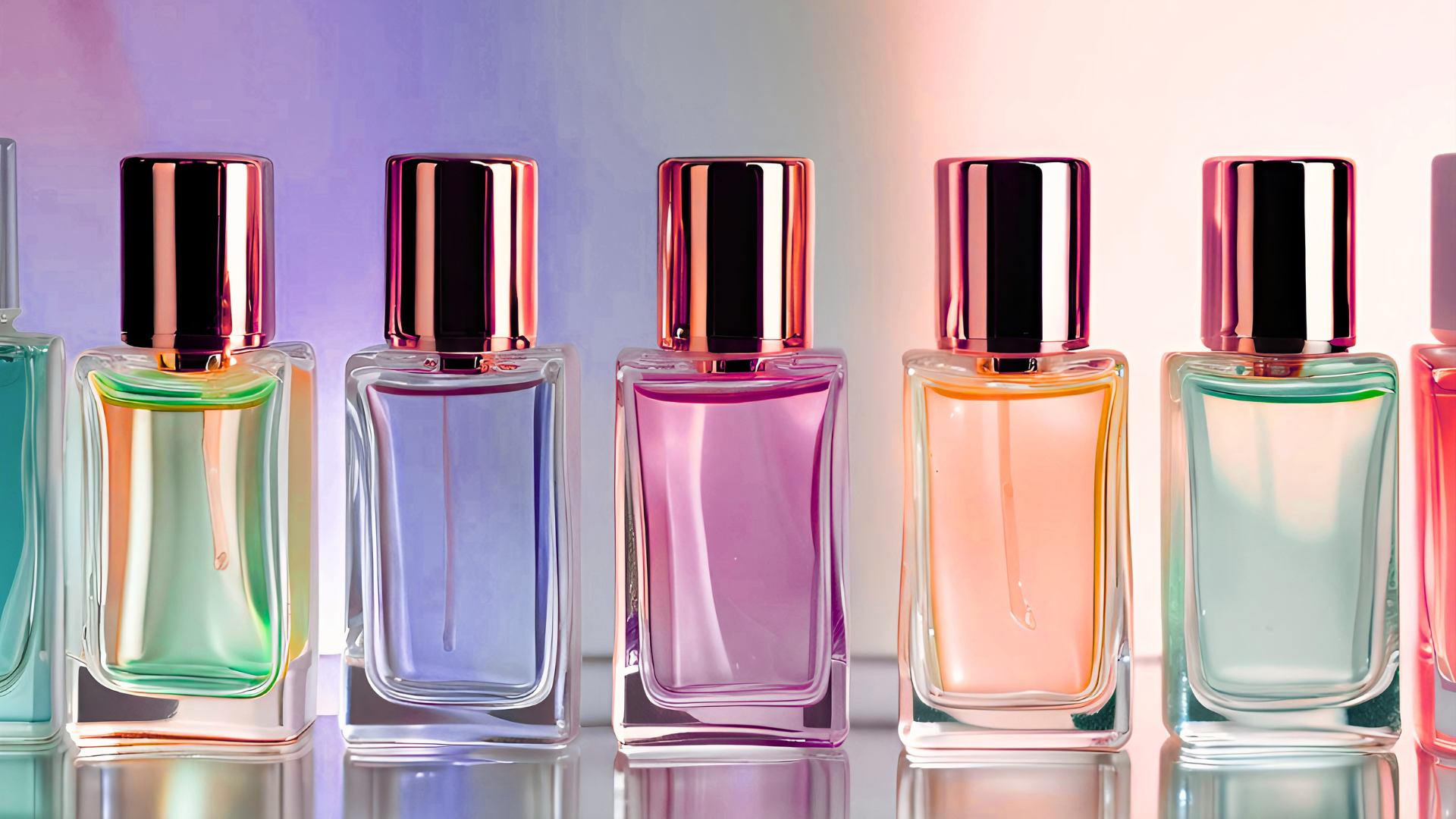
We enter a shop and, before we have even looked at a label or spoken to anyone, the space has already begun telling us a story—and selling us something. The lighting whispers “exclusivity,” the music invites us to stay, and a carefully chosen scent promises well-being, adventure, or sophistication. This is sensory marketing: the coordinated use of smell, light, sound, texture, and taste to influence consumers’ perceptions, judgements, and behaviour [3].
It is not simply a matter of perfuming a shop and waiting for the cash register to get excited. It is about creating a coherent experience in which every stimulus reinforces the same narrative. This is why expressions such as “sea breeze” or “fine wood” describe more than molecules: they activate entire worlds of association. The former may suggest freedom and openness; the latter, tradition and prestige. When a scent aligns with the brand’s identity and the rest of the environment, it ceases to be mere olfactory background: it strengthens the experience, makes it easier to remember, and helps consumers associate particular emotions with the place.
However, every aromatic story has a B-side. A fragrance that is too intense, persistent, or out of place can turn a pleasant experience into a swift sensory escape. In a shared space, moderation is not merely an aesthetic virtue; it is also a form of consideration—and, incidentally, prevents the emergency exit from becoming the establishment’s most attractive feature.
When the environment works against you
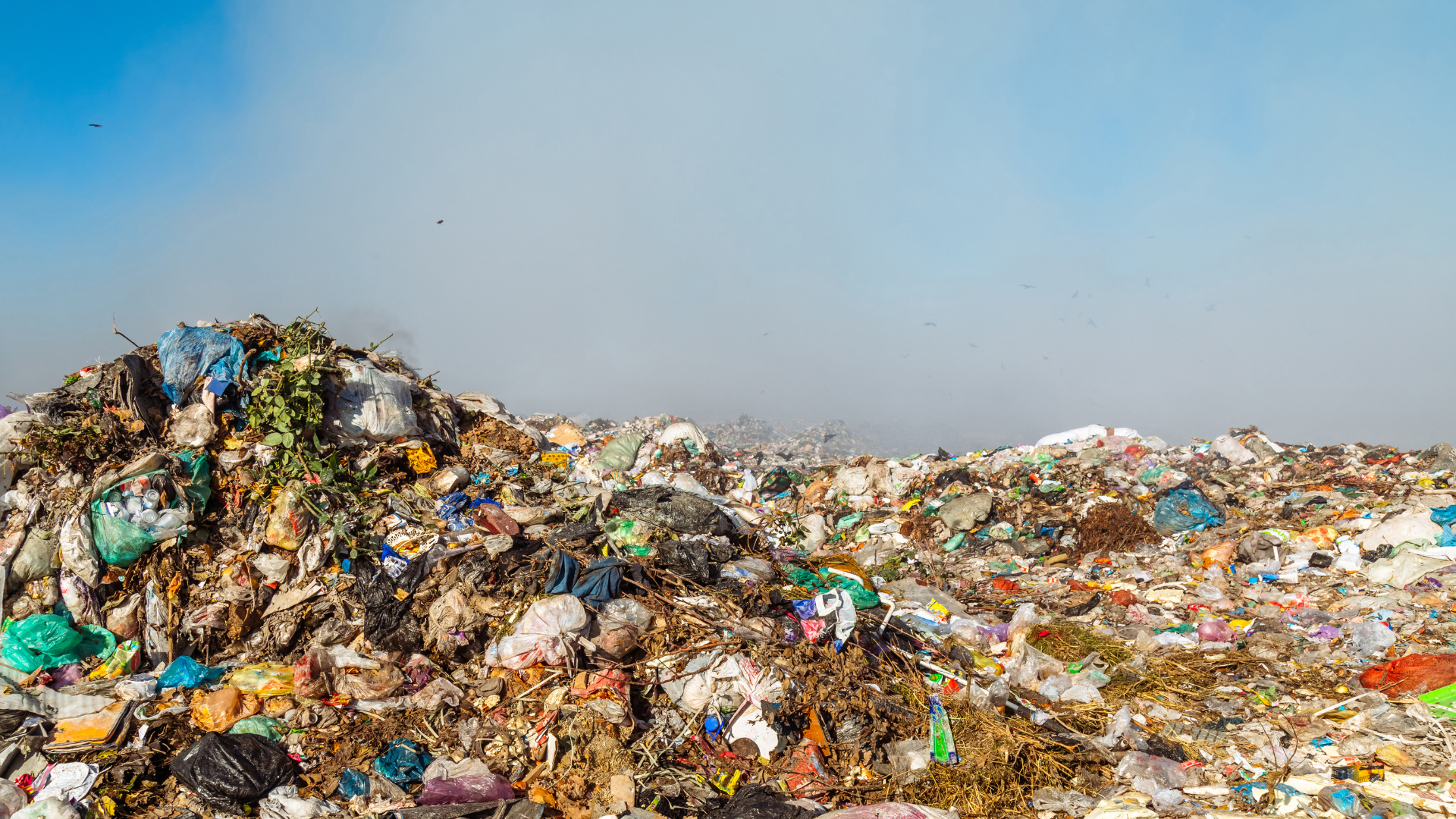
The situation changes entirely when the smell has not been designed to attract customers but comes from an environmental problem. In that case, the space continues to communicate, but its narrative no longer speaks of well-being or sophistication. A recurring nuisance can convey neglect, risk, or a lack of control without the need for words or logos: an involuntary form of “negative marketing.” Studies of urban odour nuisance associate it with a reduction in quality of life, while research into combined exposures indicates that odour and noise can act as cumulative environmental stressors [4]. Ultimately, the environment continues sending messages, even though no one designed or approved the campaign.
That message can eventually affect not only everyday experience but also the economic value of the surrounding area. Eyckmans and his colleagues analysed the external cost of odours from an animal-waste processing plant in Flanders and found effects on residential property values that varied according to exposure and location [5]. The impact depends on the source of the odour, its intensity and frequency, the distance involved, the characteristics of the area, and the workings of the local market.
The same reasoning suggests potential reputational damage to hotels, restaurants, shops, and even entire neighbourhoods. When a place becomes persistently associated with unpleasant smells, it may lose its appeal, reduce the amount of time people spend there, and receive poorer reviews or recommendations. The environment never stops marketing; the problem is that, in such cases, it works for the competition free of charge.
OdourCollect: Turning perceptions into shared evidence
At Science for Change, we believe that a citizen’s nose is not a complete laboratory, but it is a sensor: it is readily available, moves throughout the local area, and knows when something smells wrong. That is why we developed OdourCollect, a free citizen-science tool that enables people to record observations and build collaborative odour maps.
Through the tool, we help affected communities collect useful data on where, when, and with what intensity odour nuisances occur. By bringing together multiple observations, we can identify recurring patterns and facilitate evidence-based dialogue among citizens, public authorities, industries, and specialists. These records do not replace a technical assessment; they help guide and complement it while connecting it with everyday experience. In this way, we turn an invisible, intermittent problem into location-specific information that can support research, prevention, and collaborative solutions.
If your community, organisation, or company needs to better understand an odour problem or would like to use OdourCollect in a project, contact us! We will listen carefully to your case—with our noses at the ready!
By Daniel Gallardo – Head of Marketing & Communications
Compartir en